
Navigating Success: Exploring the Role of Coach Demographics in SMME Coaching for South African Entrepreneurs
Elona Nobukhosi Ndlovu
Department of Management & Entrepreneurship, Tshwane University of Technology, South Africa
Email Contact: HlatshwayoE@tut.ac.za | elona@bizpreneur.co.za
Abstract
This study determines the importance of coach demographics as a key success element for entrepreneurial coaching in South African Business Incubator (BI) programmes. The success of entrepreneurial coaching in business incubators has been said to result in business growth, and previous literature has highlighted the importance of the selection and matching criteria used for coaches for the success of the intervention. It is, therefore, important to establish what considerations are important when matching an entrepreneur and a coach in a business incubator programme. The theory underpinning the study is the social identity theory by Henri Tajfel, specifically the social categorisation aspects of the theory, using demographic characteristics as categories. The study used a pragmatic, mixed methodology with the quantitative study sample of 296 coached entrepreneurs and the qualitative study sample of 32 entrepreneurial coaches, BI managers and industry experts. The demographic descriptors included in the study were the coach's race, age, gender and qualification levels. Descriptive Statistics and thematic analysis were used to analyse the data. While qualifications emerged as the paramount factor in the eyes of the participants, views on the importance of the coach's race, age, and gender were more diverse, reflecting differing perspectives within the surveyed group. This finding contrasted with certain coaches, industry experts and programme managers' perspectives, who ranked the coach's race as crucial in the selection procedures for the success of the coaching intervention. The study challenged assumptions about a universal South African culture and the belief that understanding automatically happens between a coach and coachee based on race. Instead, the research emphasised the crucial role of language, transcending racial considerations. It highlighted the importance of coaches possessing cultural intelligence—being adept at understanding and respecting the cultural norms of a region and the entrepreneurs they work with.
Justification & Contextualisation of the Study
Rooted in the historical and sociocultural context, particularly the long-term legacy of apartheid, this research highlights how these factors deeply shape the demographic landscape of South Africa with specific implications for entrepreneurial coaching initiatives. The study is important as it examines the meaningful impact of demographic descriptors, specifically race, age, gender and coach qualifications as primary descriptors in South Africa's demographics, specifically within entrepreneurial coaching in Business Incubator (BI) programmes. The intersectionality of demographic descriptors becomes particularly relevant in the entrepreneurial coaching landscape, where the success of coaching in business incubators is intricately linked to business growth. Previous literature emphasises the crucial role of selection and matching criteria for coaches to ensure the success of the intervention. The success of entrepreneurial coaching is seen as a catalyst for business growth, making it imperative to explore the considerations essential in matching entrepreneurs with coaches in business incubator programmes. It is, therefore, important to establish what considerations are important when matching an entrepreneur and a coach in a business incubator programme.
Figures
Figure 1: Overview of Demographics, Diversity and Cultural Intelligence
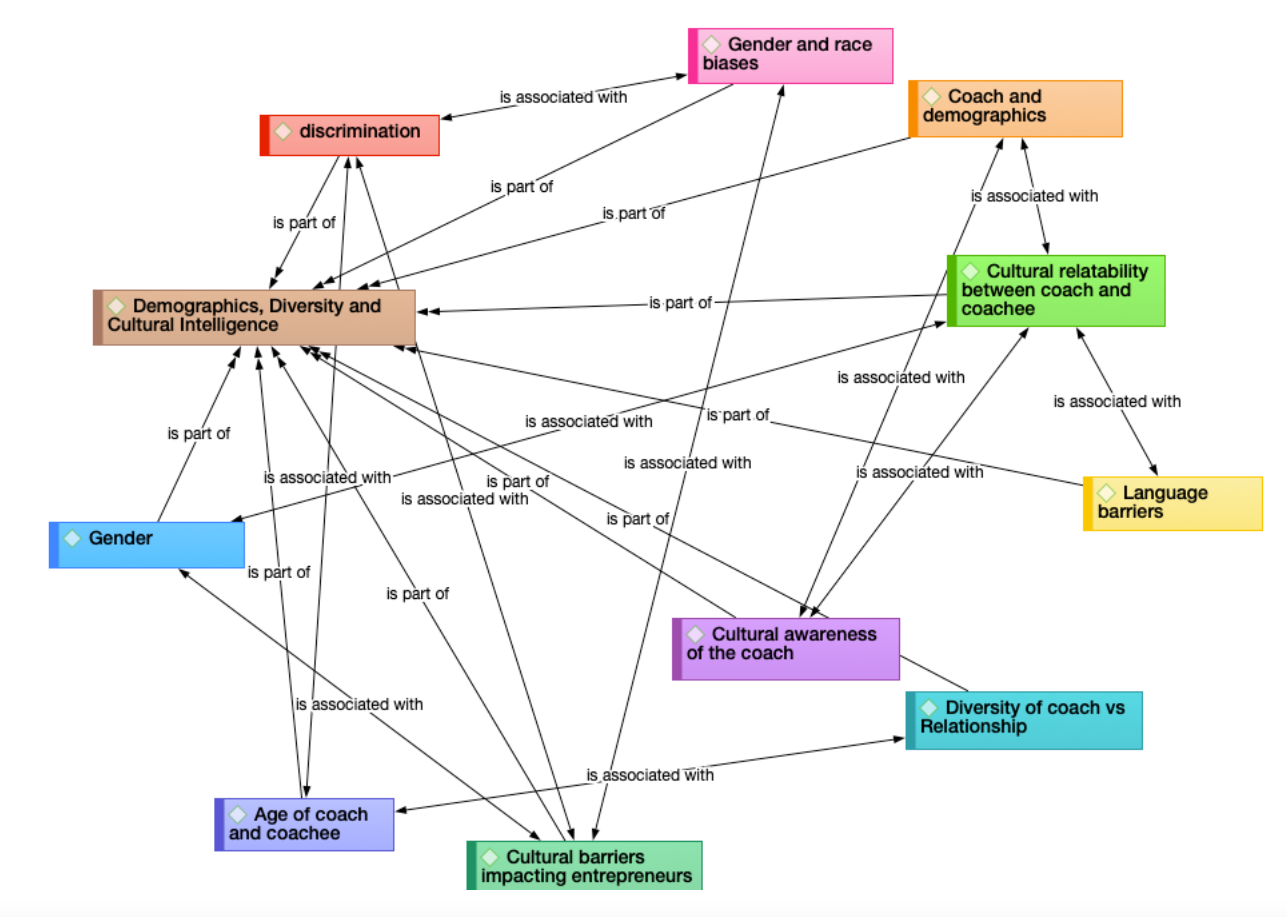
Figure 1 visualises the participants’ views on demographics (specifically race, gender, age, culture and language), diversity and cultural intelligence.
The subtheme, Demographics, Diversity and Cultural Intelligence, produced these indicators: gender and race biases, coach and demographics, cultural relatability between coach and coachee, language barriers, diversity of coach versus relationship (or difference in identities of coach and coachee in relation to the coach-coachee relationship), cultural barriers impacting entrepreneurs, cultural awareness of coach, age of coach and coachee, gender of coach and coachee, discrimination. The figure also shows how each demographic category, diversity, and cultural intelligence relate.
Figure 2: Entrepreneurs’ perspectives on Coach Demographics as Critical Success Factors for Entrepreneurial Coaching
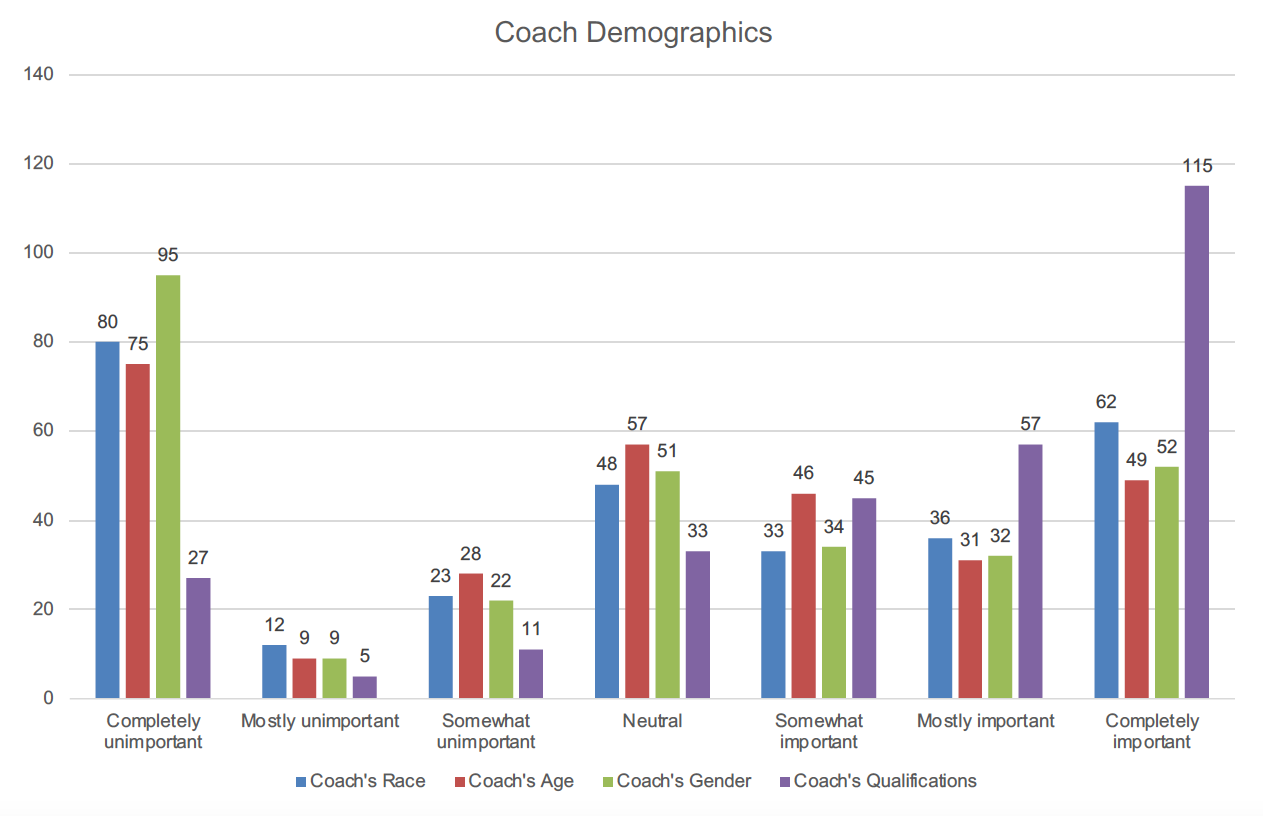
Asked to rate the coach’s age’s importance for the coaching process’s success, 42.7% rated it as important, 38% rated it unimportant, and 19.3% remained neutral. Asked to rate the importance of the coach’s gender for the success of the coaching process, 39.9% rated it as important, 42.7% rated it as unimportant, and 17.3% remained neutral. Regarding the importance of the coach’s qualifications on the success of the coaching process, 74.1% rated it as important, 14.7% rated it unimportant, and 11.3% remained neutral.
Conclusion and Recommendations
The importance of coach demographics in entrepreneurship coaching is a multifaceted issue. While entrepreneurs prioritise qualifications, they also consider demographics like race, age, and gender. Meanwhile, BI managers, industry experts and coaches highlight the significance of cultural relatability, language barriers, and understanding the cultural context. These findings underscore the need for a diverse and inclusive coaching ecosystem that addresses the complex needs of entrepreneurs from various backgrounds. Ultimately, the study highlights the importance of demographics, language, and cultural intelligence in entrepreneurial coaching success in South Africa. The study recommends that coaches aiming to work in various provinces and cultural contexts should intentionally familiarise themselves with the culture and language prevalent among the entrepreneurs they intend to support. Business Incubators (BIs) need to recruit a diverse pool of coaches and provide them with orientation on cultural and linguistic considerations to enhance their effectiveness. Furthermore, BIs should involve entrepreneurs in the coach selection process to ensure a better fit and more effective coaching relationships. Additionally, coaches should develop cultural intelligence to effectively support entrepreneurs from diverse backgrounds.
References
- Durrheim, K., Mtose, X., & Brown, L. (2011). The influence of race and gender in social categorization and perception in South Africa. South African Journal of Psychology, 41(2), 131-141. doi:10.1177/008124631104100202.
- Foster, D., & Matheson, K. (2018). The role of demographics in interpersonal communication in South Africa. South African Journal of Communication Disorders, 65(1), e1-e10. doi:10.4102/sajcd.v65i1.568.
- Mkhize, N., & Ratele, K. (2018). Exploring the intersection of race and gender in South African society. Agenda, 32(2), 1-10. doi:10.17570/2201-5697-2018-10.
- Moodley, K. (2016). The historical and sociocultural context of South Africa: The legacy of apartheid and the role of race and gender. South African Journal of Philosophy, 35(3), 301-315. doi:10.1080/02580136.2016.1234567.
- Stout-Rostron, S. (2006). Business coaching in South Africa. Business Coaching Worldwide, 2(2), 7-10.
- Stout-Rostron, S., 2019. Transformational coaching to lead culturally diverse teams. Routledge.
- Tredoux, C., & Durrheim, K. (2013). The impact of demographic factors on social perception in South Africa. Journal of Social Psychology, 153(6), 699-716. doi:10.1080/00224545.2013.832735.
End
Contact
For your personalised Professional & Business growth strategies; We would love to hear from you...
Location:
1122 Burnett street, Hatfield Mall, Mindspace Building 2nd Floor, Office 210